
Mammalian Fusion Proteins: Partner Selection, Placement and Removal
A fusion partner can support recombinant protein expression, solubility, purification, detection, or in vivo exposure. In mammalian cell expression, Fc and human serum albumin are common candidates when the protein of interest requires a larger, secretion-compatible partner or a strategy intended to influence circulation behavior.
The partner, orientation, linker, cleavage site, and removal plan should be designed together. Their effects are target-dependent, so a small construct panel and matched analytical readouts are often more informative than selecting one format from general expectations alone.
What Is a Fusion Protein?
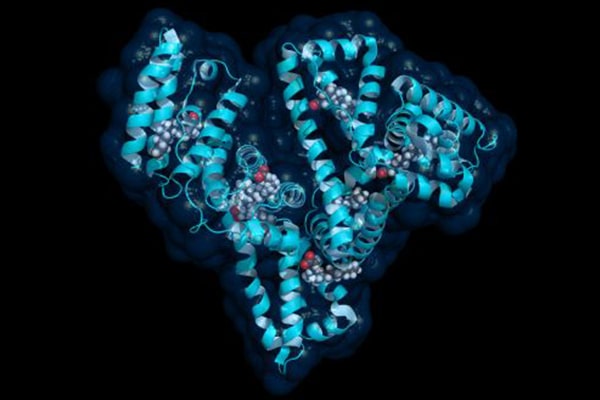
A fusion protein is a recombinant polypeptide in which the coding sequences for two or more protein components are joined into one expression construct. A partner may serve as a purification handle, improve soluble or secreted recovery, alter molecular size, provide a functional domain, or support an intended in vivo property. [1,2]
The fusion format can also change folding, oligomeric state, steric accessibility, receptor binding, or activity. The design should therefore be evaluated as a new molecular entity rather than assumed to behave as the unfused target.
Fusion Protein Expression in Mammalian Cells
Mammalian expression can support secretion, folding, disulfide-bond formation, and post-translational processing for complex eukaryotic proteins. The expression construct should integrate the signal sequence, target boundaries, fusion partner, linker, orientation, and any cleavage site required for the intended product.
Define the product before selecting a partner
Clarify whether the final material should retain the partner or represent the target protein after cleavage. Define required activity, oligomeric state, purification route, analytical comparators, and in vivo or in vitro use before construct design begins.
Fc Fusion Protein Expression
Fc-fusion proteins join a protein or peptide to an immunoglobulin Fc domain. Fc can increase apparent molecular size, support affinity purification, and engage the neonatal Fc receptor, FcRn, which may contribute to extended circulation. Actual pharmacokinetic behavior remains molecule-dependent and should be evaluated for the specific construct. [3-5]
Fc-mediated dimerization may be useful for some targets and undesirable for others. Fc receptor or effector interactions may also matter to the intended application. Selection should account for valency, target biology, glycosylation, assay format, and the desired product profile.
Selecting Fc or Human Serum Albumin as a Fusion Partner
Fc and HSA are both associated with FcRn biology, but their molecular behavior and construct effects differ. Candidate formats should be compared for expression, product quality, activity, and any required in vivo property rather than treated as interchangeable. [3-5]
Fusion Protein Placement: N-Terminus or C-Terminus
A fusion partner may be placed at the N-terminus or C-terminus of the protein of interest. Orientation can affect secretion, folding, domain accessibility, oligomerization, proteolysis, and activity. If either terminus participates in the target’s mechanism or binding interface, the opposite orientation may be a more appropriate starting point.
Linker and Cleavage-Site Design
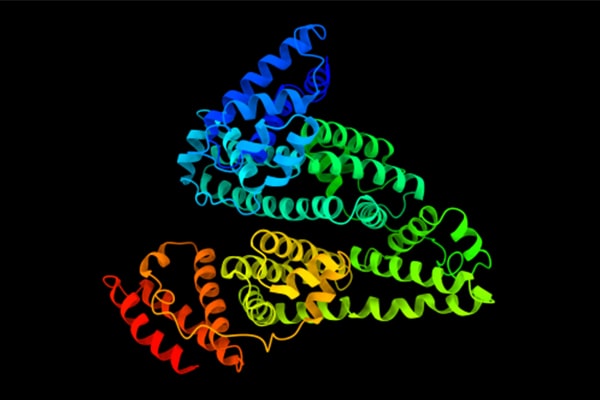
A linker can provide separation between the fusion partner and protein of interest. Flexible, rigid, and cleavable linkers serve different purposes, and linker composition or length can affect folding, accessibility, stability, and function. [1]
When a protease-cleavage site is appropriate
A defined cleavage site can enable removal of the partner during purification. The protease should be sufficiently selective under conditions compatible with the target. Consider unintended cleavage sites, residual protease, cleavage efficiency, the residues left on the target, and the need to separate the released partner from the product. [1]
Fusion Protein Removal Following Mammalian Expression
Partner removal may be appropriate when the fusion increases expression or solubility but interferes with biochemical, structural, or functional studies. It may also be required when the intended product is the unfused target.
Removal adds unit operations and may reduce recovery, so the decision should be tied to a defined benefit. Compare retained-fusion and cleaved material when feasible, then assess identity, purity, aggregation, and target function.
A Practical Construct-Screening Workflow
Define the intended final product, assay, and functional requirements.
Choose candidate partners based on expression, purification, activity, and in vivo needs.
Design N-terminal, C-terminal, or both orientations when terminal sensitivity is uncertain.
Select a linker and include a cleavage site only when removal supports the final product strategy.
Express candidates under matched mammalian-cell conditions.
Compare recovery, purity, integrity, aggregation, and function.
If removal is planned, evaluate cleavage efficiency, repurification, recovery, and the activity of the cleaved target.
Advance the format that best satisfies the fit-for-use criteria.
Frequently Asked Questions
What is a fusion protein?
A fusion protein is a recombinant protein in which two or more coding sequences are joined so the cell produces one polypeptide containing the linked components.
What is Fc fusion protein expression?
Fc fusion protein expression is the production of a target protein joined to an immunoglobulin Fc domain. The Fc may support purification, molecular size, dimerization, or FcRn-associated circulation behavior.
How are fusion proteins expressed in mammalian cells?
The target, partner, linker, signal sequence, placement, and any cleavage site are encoded in one expression construct, introduced into mammalian cells, and evaluated through matched expression and product-quality assays.
Should an Fc fusion be placed at the N-terminus or C-terminus?
Placement depends on terminal function, secretion design, domain accessibility, folding, and activity. When the effect is uncertain, compare both orientations under matched conditions.
When should a fusion partner be removed?
Consider removal when the partner interferes with the intended biochemical, structural, functional, or final-product requirements. Retain it when it is compatible with the intended use and simplifies the process.
Why is a linker used in a fusion protein?
A linker separates the partner and target domains and can influence folding, accessibility, and function. Flexible, rigid, or cleavable linkers should be chosen for the specific design objective.
Is human serum albumin the same as an Fc fusion partner?
No. HSA and Fc are distinct protein partners with different structures, interactions, and purification considerations, although both may be considered in half-life-oriented fusion strategies.
Discuss Your Mammalian Fusion Protein Project
TrueCourse can help connect construct design, partner selection, mammalian expression screening, purification, cleavage, and analytical characterization to the intended use of a fusion protein.
References
Peer-reviewed sources supporting the scientific context:
1. Chen X, Zaro JL, Shen WC. Fusion protein linkers: property, design and functionality. Advanced Drug Delivery Reviews. 2013;65(10):1357-1369. doi:10.1016/j.addr.2012.09.039. Source
2. Yu K, Liu C, Kim BG, Lee DY. Synthetic fusion protein design and applications. Biotechnology Advances. 2015;33(1):155-164. doi:10.1016/j.biotechadv.2014.11.001. Source
3. Wu B, Sun YN. Pharmacokinetics of peptide-Fc fusion proteins. Journal of Pharmaceutical Sciences. 2014;103(1):53-64. doi:10.1002/jps.23783. Source
4. Suzuki T, Ishii-Watabe A, Tada M, et al. Importance of neonatal FcR in regulating the serum half-life of therapeutic proteins containing the Fc domain of human IgG1. Journal of Immunology. 2010;184(4):1968-1976. doi:10.4049/jimmunol.0903296. Source
5. Strohl WR. Fusion proteins for half-life extension of biologics as a strategy to make biobetters. BioDrugs. 2015;29:215-239. doi:10.1007/s40259-015-0133-6. Source