
Prokaryotic Fusion Proteins: Tag Selection, Placement and Removal
Fusion partners can improve soluble recovery, provide an affinity-purification handle, or support detection during recombinant protein production in a prokaryotic host. GST and maltose-binding protein, MBP, can serve both solubility and affinity roles, while smaller tags such as polyhistidine may provide a less bulky purification handle.
Tag performance depends on the target protein. The partner, placement, linker, cleavage site, purification plan, and post-removal solubility should therefore be evaluated as one construct strategy.

What Is a Fusion Protein?
A fusion protein is a recombinant polypeptide created by joining the coding sequences of a target protein and one or more partner components. The partner may support expression, solubility, purification, localization, or detection. The combined construct can behave differently from the unfused target, so expression and function should be tested empirically. [1,2]
Fusion Proteins for Prokaryotic Expression
Prokaryotic systems can provide an efficient route for suitable recombinant proteins, but some eukaryotic targets may misfold or accumulate in inclusion bodies. A solubility-enhancing fusion can improve recovery for some targets, while an affinity tag can simplify purification. No tag guarantees soluble, functional protein for every construct. [1-3]
Define the purpose of the tag
Decide whether the main objective is soluble expression, affinity purification, detection, or a combination. Larger partners can provide solubility benefits but may alter function or complicate downstream studies. Smaller affinity tags may reduce steric burden but provide less solubility support.
Selecting Fusion Proteins for Prokaryotic Expression
Bacterial fusion protein selection should start with the target’s solubility, terminal requirements, purification method, and intended final format. When performance is uncertain, compare a small construct panel rather than relying on one preferred tag. [3,4]
GST Fusion Protein
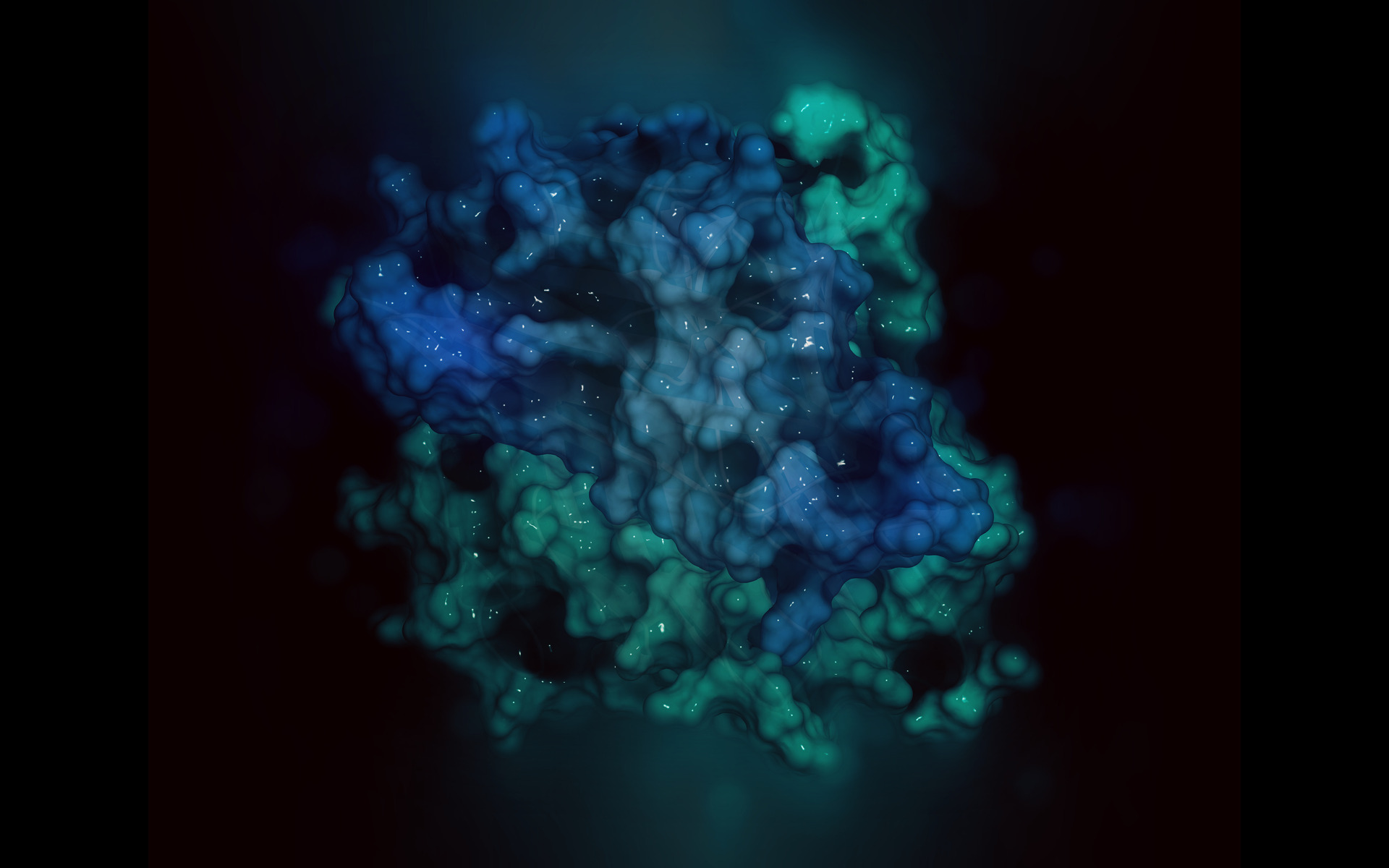
GST is used as a fusion partner for glutathione-based affinity purification and may improve soluble recovery for some proteins. GST is approximately 26 kDa and can dimerize, so the partner may influence oligomeric state, assay behavior, or structure. The target and GST domain must remain compatible with the intended purification conditions. [1,5]
GST affinity purification considerations
Glutathione affinity capture depends on a folded, accessible GST domain. Evaluate soluble recovery, resin binding, elution conditions, target integrity, and whether GST should remain attached for the downstream application.
Maltose-Binding Protein Tag
MBP is approximately 42 kDa and is widely used as a solubility-enhancing partner. It can also support affinity purification with amylose resin. MBP may be more reliable than GST for soluble expression of some targets, but the outcome remains target-dependent. [1,3,6]
When to pair MBP with a smaller affinity tag
A design that combines MBP with a smaller affinity tag can separate the solubility and purification functions. After cleavage, the smaller tag may remain on the target to support a second purification step, depending on the required final product.
Fusion Protein Placement
A large fusion partner is commonly positioned at the N-terminus, sometimes with a small tag at the same or opposite terminus to support purification. Placement can affect expression, folding, solubility, accessibility, and activity. If the target requires a native or accessible terminus, alternative orientations should be tested.
Fusion Protein Removal With HRV3C or TEV Protease
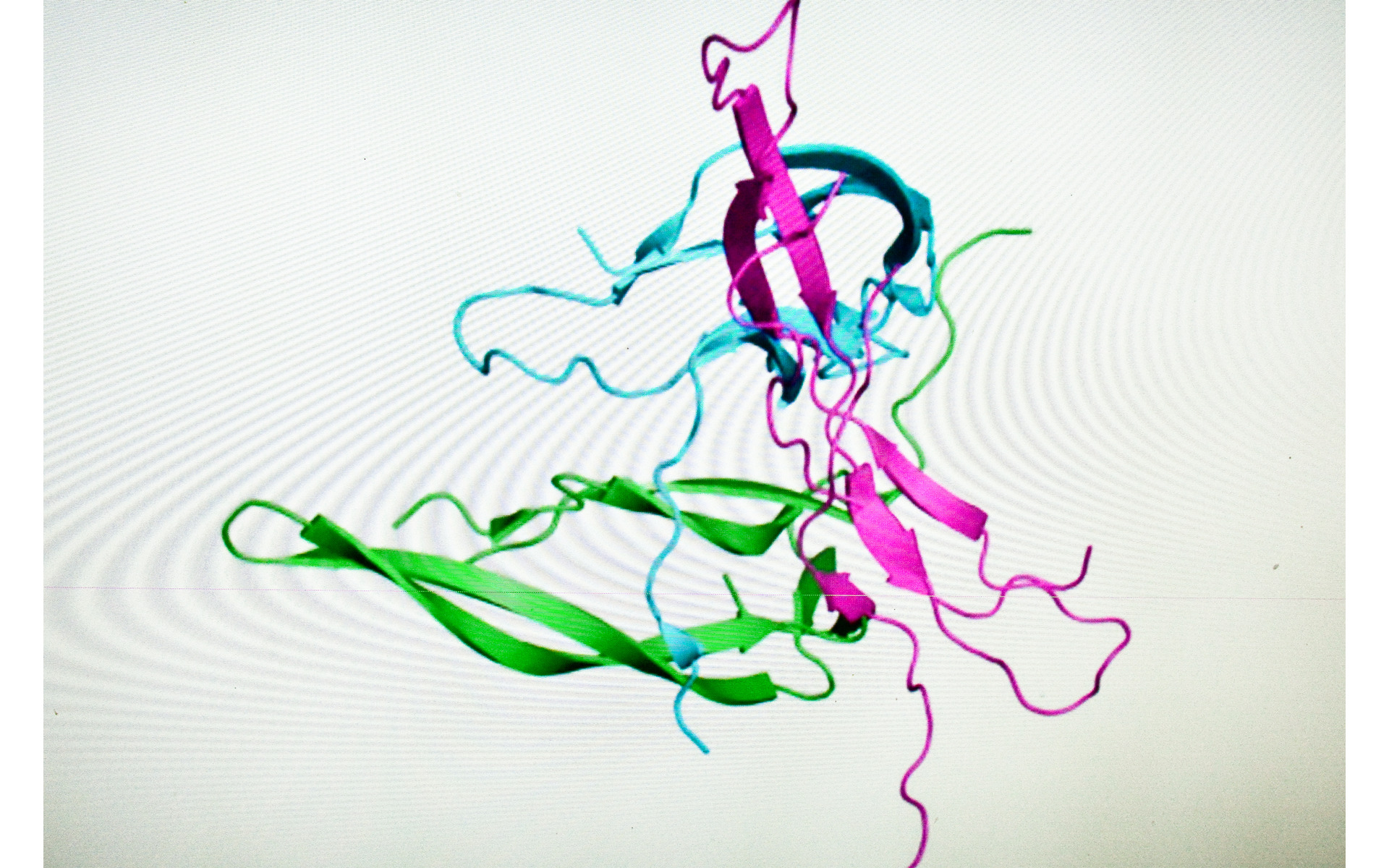
A site-specific protease-cleavage sequence can be placed between the fusion partner and target when the final product should not retain the large tag. HRV3C and TEV as commonly used options. Cleavage performance depends on recognition-site accessibility and conditions compatible with the target.
Include enough separation around the recognition site to support access without disrupting the target. After cleavage, the process must separate the released tag, protease, uncleaved fusion, and target product. [4]
Evaluate solubility after tag removal
A target that is soluble as a fusion may precipitate or aggregate after the partner is removed. Test cleavage at small scale, monitor the target in the intended buffer, and revise construct or formulation conditions if the cleaved protein is unstable.
A Practical Fusion-Tag Screening Workflow
Define the required final product and whether the tag should remain or be removed.
Select candidate tags based on solubility, purification, target size, terminal constraints, and downstream assays.
Design placement, linker, and cleavage site together.
Express a small construct panel under matched prokaryotic conditions.
Compare total expression, soluble recovery, affinity capture, purity, and target function.
For removable tags, test HRV3C, TEV, or another cleavage strategy under target-compatible conditions.
Measure cleavage efficiency, post-cleavage solubility, recovery, purity, aggregation, and activity.
Advance the construct and process that meet the fit-for-use criteria, then confirm performance at the next scale.
Frequently Asked Questions
What is a fusion protein?
A fusion protein is a recombinant protein produced from joined coding sequences so the expressed polypeptide contains the target and one or more partner components.
What is a GST fusion protein?
A GST fusion protein contains glutathione S-transferase joined to the target. GST can support glutathione affinity purification and may improve soluble recovery for some targets.
What is the purpose of an MBP tag?
MBP is used primarily as a solubility-enhancing fusion partner and can also provide an amylose-affinity purification handle.
What is a fusion-tag system?
A fusion-tag system combines a target protein with a genetically encoded partner or peptide that supports expression, solubility, purification, detection, or another defined function.
Which is better for solubility, GST or MBP?
MBP may provide stronger solubility support for some targets, while GST may be suitable for others. Performance depends on the target, so matched construct testing is the most reliable basis for selection.
How are fusion tags removed?
A specific protease-recognition site can be placed between the tag and target. After expression and purification, a compatible protease such as HRV3C or TEV can cleave the fusion, followed by separation of the products.
Can a protein become insoluble after MBP or GST removal?
Yes. A tag may stabilize the fused target, and cleavage can expose aggregation-prone surfaces. Post-cleavage solubility should be tested before committing to a larger process.
Discuss Your Prokaryotic Fusion Protein Project
TrueCourse can help connect construct design, tag selection, small-scale bacterial expression, affinity purification, cleavage, and analytical characterization to the intended use of a recombinant protein.
References
Peer-reviewed sources supporting the scientific context:
1. Costa S, Almeida A, Castro A, Domingues L. Fusion tags for protein solubility, purification and immunogenicity in Escherichia coli: the novel Fh8 system. Frontiers in Microbiology. 2014;5:63. doi:10.3389/fmicb.2014.00063. Source
2. Rosano GL, Ceccarelli EA. Recombinant protein expression in Escherichia coli: advances and challenges. Frontiers in Microbiology. 2014;5:172. doi:10.3389/fmicb.2014.00172. Source
3. Raran-Kurussi S, Waugh DS. Affinity purification of a recombinant protein expressed as a fusion with the maltose-binding protein tag. Methods in Molecular Biology. 2017;1485:221-239. doi:10.1007/978-1-4939-6412-3_12. Source
4. Bernier SC, et al. Systematic analysis of the expression, solubility and purification of a passenger protein in fusion with different tags. Protein Expression and Purification. 2018;152:92-106. doi:10.1016/j.pep.2018.07.007. Source
5. Smith DB, Johnson KS. Single-step purification of polypeptides expressed in Escherichia coli as fusions with glutathione S-transferase. Gene. 1988;67(1):31-40. doi:10.1016/0378-1119(88)90005-4. Source
6. Kapust RB, Waugh DS. Escherichia coli maltose-binding protein is uncommonly effective at promoting the solubility of polypeptides to which it is fused. Protein Science. 1999;8(8):1668-1674. doi:10.1110/ps.8.8.1668. Source