Recombinant Antibodies vs Hybridomas: How to Choose a Production Strategy
Hybridoma and recombinant antibody workflows can both produce monoclonal antibodies. The terms describe different things: monoclonal refers to an antibody population derived from a single clone or defined sequence, while recombinant refers to production from cloned antibody coding sequences. The practical choice therefore depends on how the antibody will be discovered, documented, produced, engineered, and maintained over time [1,2].
Hybridoma technology begins with an immune response and immortalized antibody-producing cells. Recombinant production begins with defined heavy- and light-chain sequences, which can come from a hybridoma or another discovery platform. Sequence definition can support continuity and engineering, while a functioning hybridoma may remain useful when its antibody performs well and the cell line is adequately controlled.
Hybridoma vs Recombinant Antibody: What Is the Difference?
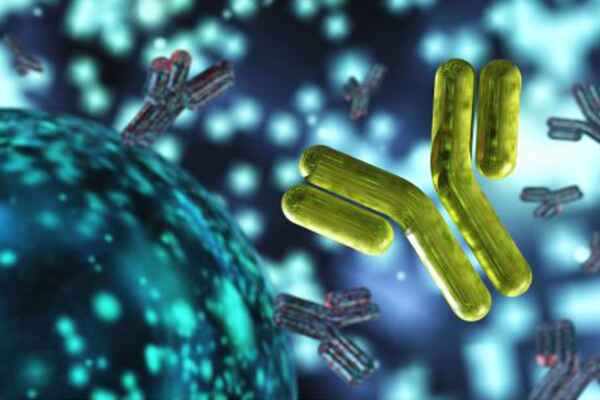
A hybridoma is an immortalized cell line created by fusing an antibody-producing B cell with a myeloma cell. The cell line secretes an antibody that can be screened for the desired binding behavior. A recombinant antibody is produced by expressing cloned antibody genes in a selected host cell. Once the sequence is known, the same antibody can be produced without relying on the continued viability or genetic stability of the original hybridoma [1,2].
The categories can overlap. An antibody discovered through a hybridoma campaign can be sequenced and then manufactured recombinantly. Conversely, recombinant antibodies can also be discovered through in vitro display libraries rather than animal immunization. The decision is better framed as a choice of discovery and production routes than as a choice between monoclonal and recombinant antibodies.
What Is a Hybridoma?
A hybridoma combines the antibody-producing capacity of a B cell with the ability of a myeloma-derived fusion partner to proliferate in culture. Individual hybridoma lines are screened to identify a clone that secretes an antibody with the required specificity and performance [2].
How hybridoma cells produce monoclonal antibodies
An animal is immunized with the target antigen to generate antigen-responsive B cells.
B cells are isolated and fused with myeloma cells to create immortal hybrid cells.
Hybridoma cultures are screened to identify antibody-producing clones with the desired binding behavior.
A selected clone is expanded, and antibody is recovered from culture supernatant.
The antibody is purified and characterized for the intended application.
Practical limitations of hybridoma production
Establishing and screening multiple cell lines can require substantial hands-on work.
Long-term supply depends on maintaining the selected cell line and controlling genetic or phenotypic drift.
An interruption can occur if the productive clone is lost, contaminated, or no longer expresses the antibody as expected.
Scale-up and batch consistency depend on cell-line behavior and process control.
A hybridoma clone that appears monospecific can still express an additional functional heavy- or light-chain sequence, so sequence verification remains important even for an established, well-performing line. [3]
Animal immunization is part of the discovery workflow, and in vivo production adds further animal-welfare considerations.
What Is a Recombinant Antibody?
A recombinant antibody is encoded by defined DNA sequences and produced in an expression host. For a full-length monoclonal antibody, the relevant heavy- and light-chain sequences can be cloned into expression constructs and expressed in mammalian cells. Secreted antibody can then be recovered from the culture supernatant and purified, commonly using an affinity ligand such as Protein A when the antibody format is compatible [1].
Recombinant antibody manufacturing workflow
Confirm the heavy- and light-chain coding sequences and the required antibody format.
Design expression constructs, including any intended constant-region changes or other sequence modifications.
Express the constructs in a suitable host, with mammalian cells commonly used for full-length antibodies.
Harvest the culture supernatant and purify the antibody using a fit-for-purpose process.
Characterize identity, purity, aggregation, binding, and any application-specific attributes.
Retain the verified sequence and production records to support future production campaigns.
Are Monoclonal Antibodies Recombinant Proteins?
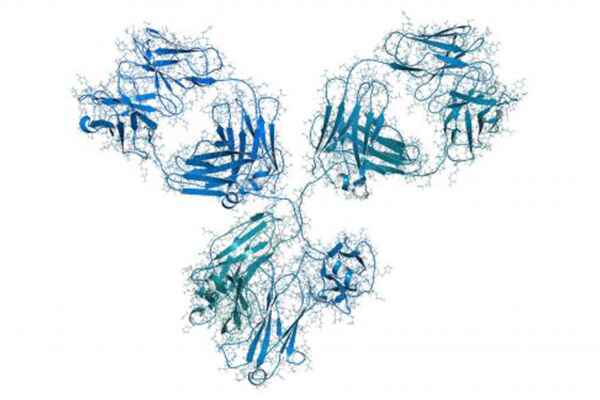
Some are, and some are produced directly from hybridoma cultures. A monoclonal antibody is defined by its clonal or sequence identity. Recombinant production describes how the antibody is manufactured from cloned DNA. A sequence-defined monoclonal antibody expressed in a host cell is both monoclonal and recombinant.
This distinction matters when comparing suppliers or production plans. The word monoclonal alone does not establish whether the antibody sequence is known, whether production depends on a hybridoma, or whether the molecule can be reproduced from a verified expression construct.
Recombinant Antibodies vs Monoclonal Antibodies
These are not opposing categories. A clearer comparison is recombinant production versus hybridoma-dependent production, or recombinant monoclonal antibodies versus antibodies supplied directly from a hybridoma process. The questions below help separate the relevant attributes.
Is the complete antibody sequence known and verified?
Does future supply depend on preserving a particular cell line?
Will the antibody require isotype changes, constant-region mutations, affinity changes, tags, or conjugation features?
What evidence is needed for batch consistency and traceability?
What production scale, expression host, purification strategy, and release tests fit the application?
Hybridoma and Recombinant Antibody Production Compared
Advantages and Disadvantages of Recombinant Antibodies
Potential advantages
A verified sequence provides a defined record of the antibody and supports production restart.
Sequence-based production can reduce dependence on the continued viability of a single hybridoma line.
Targeted sequence changes can support alternative constant regions, formats, tags, or application-specific engineering.
A controlled sequence and expression process can support consistency across production campaigns.
Once a sequence is established, production can proceed without repeating the original animal immunization campaign.
Practical considerations and limitations
Sequence recovery, construct design, expression, purification, and analytical qualification still require development work.
Changing the host, format, or constant region can affect expression and product attributes, so comparability should be evaluated.
A defined sequence does not by itself establish specificity, affinity, purity, stability, or suitability for a particular assay.
Production strategy should account for post-translational modifications, antibody format, intended scale, and downstream quality requirements.
When Hybridoma Technology May Still Fit
A well-characterized hybridoma may remain practical when the clone is stable, its antibody has established performance, cell banks are controlled, and no sequence engineering or format change is required. Hybridoma campaigns can also use an animal immune response to generate affinity-matured binders. The choice should account for the target, screening strategy, desired epitope, available cell line, future supply requirements, and animal-use policy [1].
Transitioning a Hybridoma Antibody to Recombinant Production
Recover and verify the antibody heavy- and light-chain sequences from the productive hybridoma.
Review the sequences for additional variable regions, unexpected chains, or ambiguities that could affect reconstruction.
Design recombinant constructs in the required antibody format and expression system.
Produce and purify a pilot batch under documented conditions.
Compare binding and application performance with the established hybridoma-derived material using fit-for-purpose assays.
Establish sequence records, reference materials, analytical controls, and a production strategy for future lots.
A Decision Checklist for Antibody Production
Define whether the project requires antibody discovery, manufacturing, or both.
Confirm whether a productive hybridoma, verified sequence, or display-library binder already exists.
Specify the required antibody format, species constant region, engineering features, and expression host.
Identify the binding, specificity, purity, aggregation, and functional tests needed for the intended use.
Plan for cell banking, sequence control, reference standards, and supply continuity.
Evaluate animal use, scale, timeline, and process-development requirements as project-specific factors.
Frequently Asked Questions
What is a hybridoma?
A hybridoma is an immortalized cell line formed by fusing an antibody-producing B cell with a myeloma cell. Selected hybridoma clones can be expanded to produce monoclonal antibodies.
How are monoclonal antibodies produced using hybridoma cells?
An animal is immunized, antibody-producing B cells are isolated and fused with myeloma cells, and the resulting hybridomas are screened. A selected clone is expanded, and its antibody is recovered from culture supernatant and purified.
What is a recombinant antibody?
A recombinant antibody is produced from cloned antibody coding sequences in an expression host. The sequence can encode a full-length antibody or another format, depending on the application.
Are monoclonal antibodies recombinant proteins?
A monoclonal antibody is recombinant when it is expressed from cloned antibody genes. Monoclonal antibodies can also be produced directly from hybridoma cultures, so monoclonal and recombinant are not interchangeable terms.
Are recombinant antibodies better?
The answer depends on the project. Recombinant production can be advantageous for sequence definition, engineering, supply continuity, and production restart. A controlled hybridoma may remain suitable when its antibody is validated and no format change is needed.
What is the difference between recombinant and non-recombinant antibodies?
The practical difference is whether production is driven by cloned, defined antibody sequences. Hybridoma-derived antibodies can be converted to recombinant production after their heavy- and light-chain sequences are recovered and verified.
References
[1] Basu K, Green EM, Cheng Y, Craik CS. Why recombinant antibodies: benefits and applications. Current Opinion in Biotechnology. 2019;60:153-158. DOI: 10.1016/j.copbio.2019.01.012. View source
[2] Köhler G, Milstein C. Continuous cultures of fused cells secreting antibody of predefined specificity. Nature. 1975;256:495-497. DOI: 10.1038/256495a0. View source
[3] Bradbury ARM, Trinklein ND, Thie H, et al. When monoclonal antibodies are not monospecific: hybridomas frequently express additional functional variable regions. mAbs. 2018;10(4):539-546. DOI: 10.1080/19420862.2018.1445456. View source
.png)
.png)
.png)