
How to Select a Recombinant Protein Expression System
Selecting a protein expression system begins with the properties the final material must retain. Structural complexity, folding and assembly, post-translational modifications, secretion, downstream use, and process requirements all affect whether a bacterial, insect, or mammalian platform is a practical starting point.
The aim is to choose a host that can produce recoverable, fit-for-use protein. A small comparative screen may be appropriate when the target has uncertain behavior or when more than one system could plausibly meet the project requirements. [1-4]
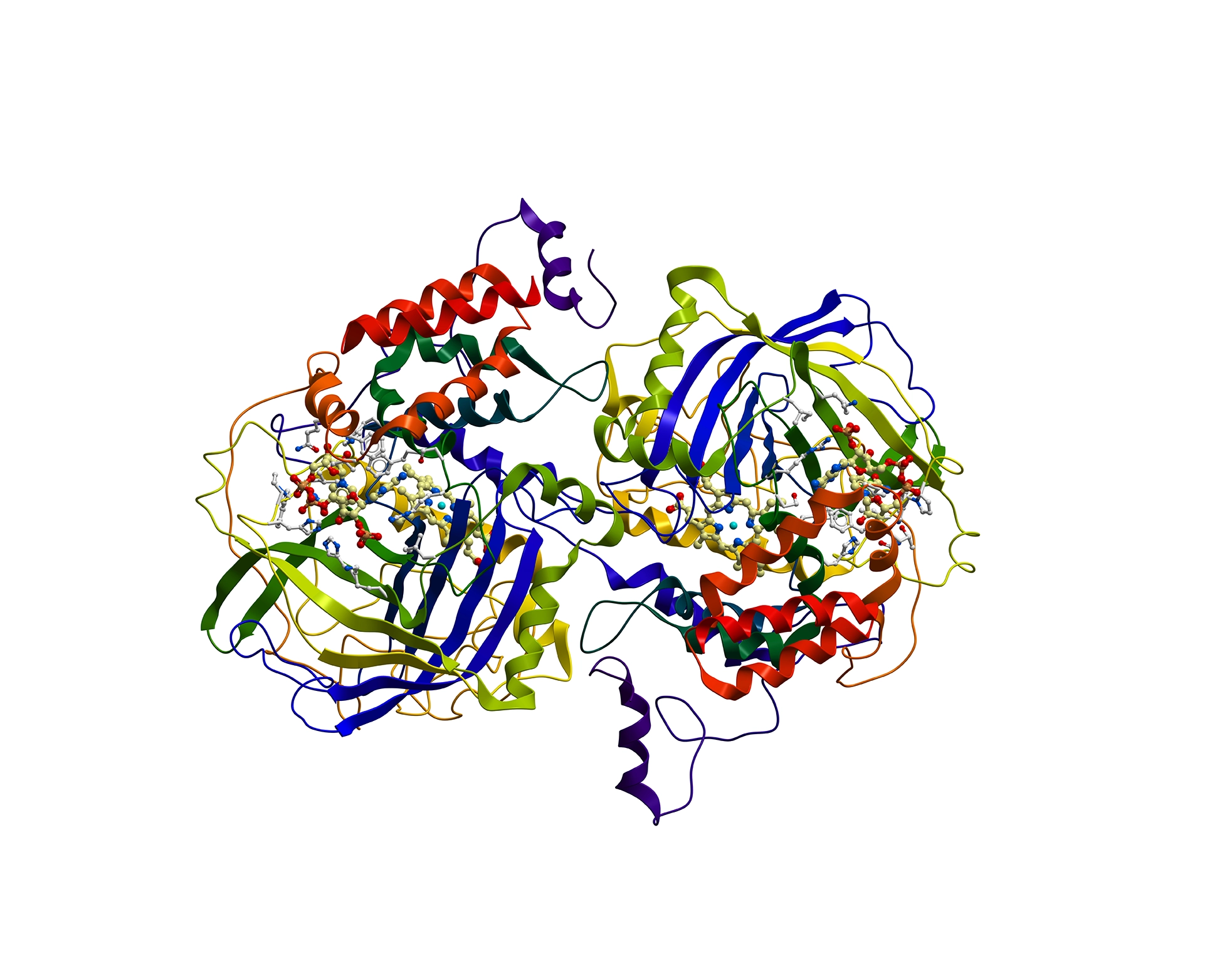
Protein Expression Systems Compared
No single platform is universally preferred. The comparison below frames the decision around capabilities and constraints rather than fixed cutoffs. Target-specific testing remains important because expression, recovery, and product quality can vary with the construct and process.
Expression Systems for Recombinant Proteins: Start With the Product Profile
Define the intended use
A protein intended for binding studies, biochemical assays, structural analysis, immunization, functional cell-based assays, diagnostics, or another application may require different attributes. Define which properties must be preserved, which impurities or host-derived components could interfere, and what form of the protein will enter the downstream workflow.
Define the required molecular attributes
Document expected domains, disulfide bonds, oligomeric state, cofactors, membrane association, secretion, and relevant PTMs. The question is not only whether the host can produce the target protein, but whether it can support recovery of the required molecular form.
How Structural Complexity Guides Expression-System Selection
Structural complexity provides an early screen for host compatibility. A relatively simple, single-domain target without essential eukaryotic PTMs may be a reasonable candidate for bacterial expression. Multi-domain proteins, multi-subunit assemblies, and proteins whose function depends on eukaryotic folding, trafficking, or PTMs may warrant evaluation in insect or mammalian cells. These are practical starting principles, not absolute rules. [1-3]
Folding, disulfide bonds, and assembly
The host environment can affect folding pathways, disulfide formation, chaperone access, and assembly. A total-expression result should therefore be interpreted alongside solubility or secretion, integrity, oligomeric state, and a fit-for-use functional readout.
Post-translational modifications
If glycosylation or another PTM contributes to function, stability, trafficking, or recognition, confirm whether the candidate host can produce a suitable form. Insect and mammalian cells both provide eukaryotic processing, but their modification patterns are not interchangeable. [2]
Native conformation and activity
A high expression level may still yield material that is misfolded, aggregated, inactive, or difficult to purify. Selection criteria should prioritize the attributes required for the intended use rather than expression signal alone.
Bacterial Protein Expression and E. coli Systems
E. coli is often considered when the target is compatible with a prokaryotic host and the project benefits from a flexible microbial workflow. Construct design, strain, vector, expression level, induction conditions, cellular location, and purification strategy can influence recovery and quality. [1]
Bacterial expression may also be considered for recombinant antigens used in vitro when the required epitopes and function do not depend on mammalian-specific PTMs. For immunization or antibody-production workflows, endotoxin management and the effect of host-dependent folding on antigen presentation should be addressed in the project plan.
Insect Cells vs Mammalian Cells
Insect and mammalian cells provide eukaryotic folding and trafficking pathways that may support targets that perform poorly in bacteria. The choice between them depends on the required product attributes and the development route rather than complexity alone. [2-4]
When to evaluate baculovirus-infected insect cells
Baculovirus expression in insect cells can support complex proteins, multi-subunit assemblies, and co-expression. Candidate variables include cell line, construct configuration, infection conditions, harvest timing, and the product-quality readouts needed for the target. [3]
When to evaluate mammalian cells
Mammalian expression may be appropriate when native-like mammalian processing, secretion, assembly, or PTMs are central to the product profile. . [2,4]

A Practical Protein Expression Selection Guide
Define the intended use and the product attributes that must be retained.
Map structural complexity, domains, disulfide bonds, assembly, secretion, and relevant PTMs.
Identify platform-specific risks, including solubility, folding, host-derived impurities, and process complexity.
Choose one or more plausible systems rather than forcing a single platform when uncertainty is high.
Design comparable constructs and fit-for-purpose analytical readouts.
Run a small-scale feasibility screen and evaluate recoverable, fit-for-use material.
Select the route based on product quality, reproducibility, and purification behavior.
What to Compare in a Feasibility Screen
When to Use a Protein Expression CRO
External support may be useful when a project needs access to multiple expression platforms, parallel construct testing, coordinated purification, specialized analytics, or a documented route from feasibility to production. A prospective partner should explain why each system is being considered, how product quality will be assessed, and which evidence will support progression.
Questions to ask a prospective partner
Which expression systems and constructs are scientifically justified for this target?
Which readouts will distinguish total expression from recoverable, fit-for-use product?
How will folding, assembly, PTMs, integrity, and function be evaluated?
How will host-derived impurities, including endotoxin where relevant, be managed?
What material, raw data, methods, and decision rationale will be delivered?
Frequently Asked Questions
What are protein expression systems?
Protein expression systems are host cells and associated vectors, culture conditions, and workflows used to produce recombinant proteins. Common routes include bacterial, insect, and mammalian cell systems.
How do I choose an expression system for recombinant proteins?
Start with the intended use and required product attributes. Then evaluate structural complexity, folding, assembly, PTMs, secretion, host-derived impurities, purification, and material needsy.
Which protein expression system is best?
There is no universally preferred system. The appropriate starting point depends on the target and product profile, and a comparative feasibility screen may be useful when more than one route is plausible.
When is E. coli a suitable protein expression system?
E. coli may be a practical starting point when the target is compatible with a prokaryotic host and does not require host-specific eukaryotic processing. Solubility, folding, integrity, endotoxin, and function should be evaluated.
What is the difference between insect cells and mammalian cells for protein expression?
Both provide eukaryotic folding and trafficking, but their PTM patterns and workflows differ.
How does protein complexity affect expression-system selection?
Additional domains, subunits, disulfide bonds, membrane association, and PTM requirements can increase dependence on host folding, assembly, and trafficking machinery. Complexity guides the initial choice but should be tested experimentally.
Which expression system should be used for recombinant antigens?
The choice depends on the epitopes, conformation, PTMs, intended assay or immunization use, and acceptable host-derived impurities. Bacterial expression may suit some antigens, while insect or mammalian systems may be more appropriate when eukaryotic processing is important.
Should I test more than one expression system?
A multi-system screen may be appropriate when host compatibility is uncertain or when product quality matters more than expression alone. The screen should use comparable constructs and predefined decision readouts.
Discuss Your Recombinant Protein Project
TrueCourse can help evaluate bacterial, insect, and mammalian expression routes and connect construct design, small-scale screening, purification, analytical assessment, and production planning.
References
Peer-reviewed sources supporting the scientific context:
1. Rosano GL, Ceccarelli EA. Recombinant protein expression in Escherichia coli: advances and challenges. Frontiers in Microbiology. 2014;5:172. doi:10.3389/fmicb.2014.00172. Source
2. McKenzie EA, Abbott WM. Expression of recombinant proteins in insect and mammalian cells. Methods. 2018;147:40-49. doi:10.1016/j.ymeth.2018.05.013. Source
3. Sokolenko S, et al. Co-expression vs. co-infection using baculovirus expression vectors in insect cell culture: Benefits and drawbacks. Biotechnology Advances. 2012;30(3):766-781. doi:10.1016/j.biotechadv.2012.01.009. Source
4. Tripathi NK, Shrivastava A. Recent developments in bioprocessing of recombinant proteins: expression hosts and process development. Frontiers in Bioengineering and Biotechnology. 2019;7:420. doi:10.3389/fbioe.2019.00420. Source