From Gene to Structure: Exploring MC4R in Unliganded and Ligand-Bound
Sample stability often decides whether a GPCR cryo-EM structure succeeds, yet standard purification metrics can miss early signs of complex instability. For the melanocortin-4 receptor (MC4R), a Class A GPCR central to appetite regulation, the agonist setmelanotide made the difference between a homogeneous complex and one that partially dissociated.
A Gene-to-Structure Case Study of MC4R
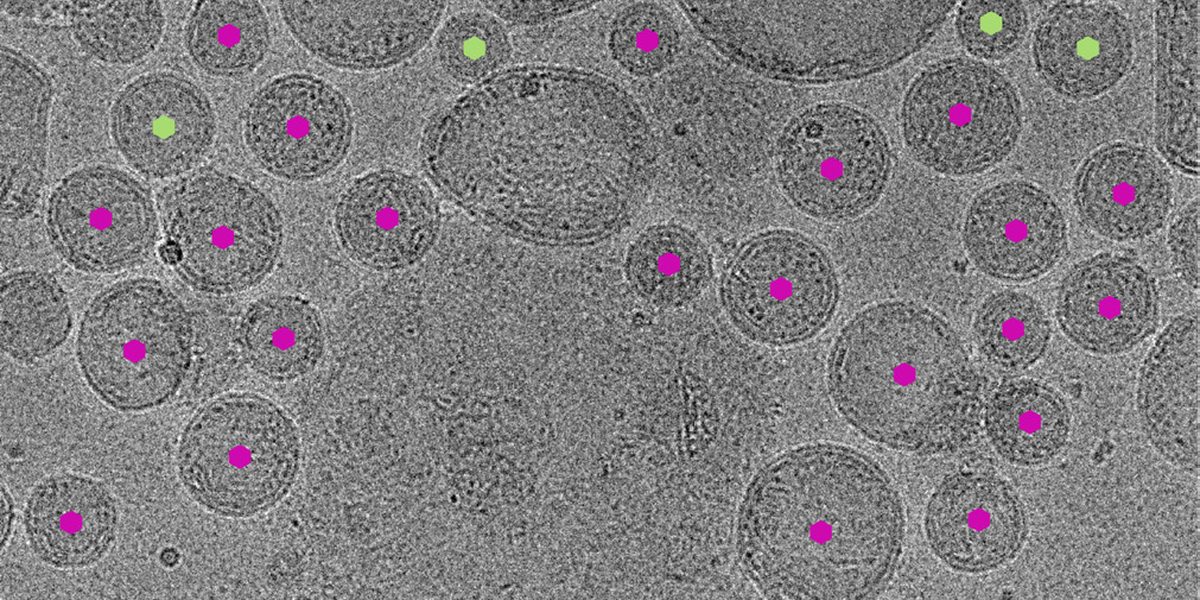
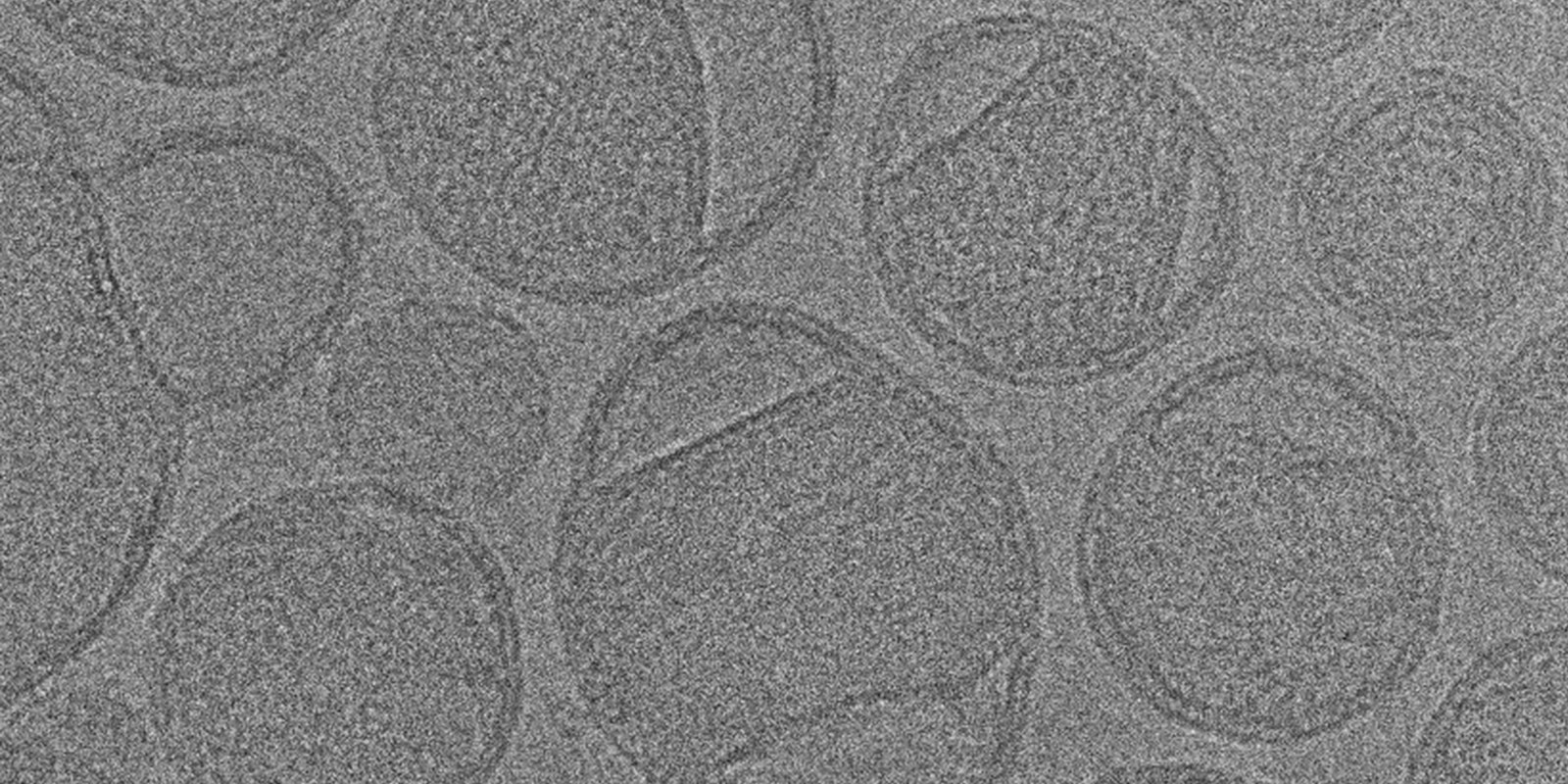
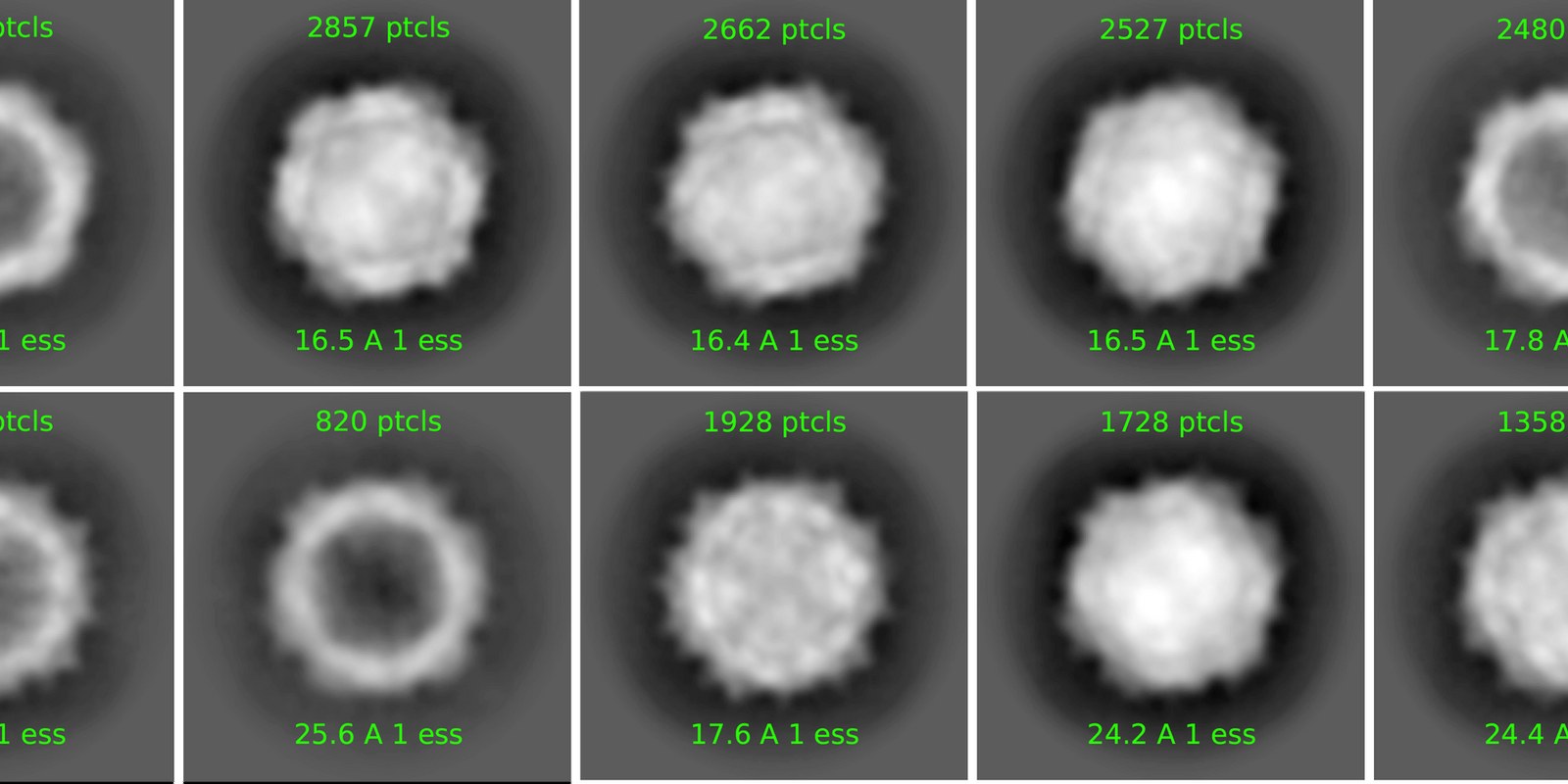
This white paper follows the MC4R-Gs-scFv16 complex from insect cell expression to cryo-EM structure, prepared with and without setmelanotide. Both preparations looked comparable by SDS-PAGE and standard purification metrics, but analytical SEC and negative-stain EM showed that the unliganded complex was less stable. Both were still carried through to cryo-EM, giving structures at 2.6 Å (setmelanotide-bound; PDB ID 40BG) and 3.1 Å (unliganded; PDB ID 40BF), with only 55,609 of 445,504 picked particles contributing to the unliganded map. SPR on the purified complex gave a mean KD of 0.21 ± 0.09 nM for setmelanotide.
What You’ll Learn in the White Paper
- How analytical SEC and negative-stain EM identify unstable GPCR complexes before high-resolution data collection
- How the absence of agonist affects particle yield and map quality in cryo-EM
- What the 2.6 Å structure shows about setmelanotide recognition, including the calcium-mediated bridge between receptor and peptide
- How SPR was used to measure agonist affinity for a purified signaling complex, and why KD values should not be directly compared with Ki or EC₅₀ values from other assay formats
Download the white paper for the full methods, cryo-EM processing details, SPR data, and practical guidance on integrating sample quality control with structure determination.
Citations & References
1. Sánchez Lorente, J., Sokolov, A. V., Ferguson, G., Schiöth, H. B., Hauser, A. S. & Gloriam, D. E. GPCR drug discovery: new agents, targets and indications. Nat. Rev. Drug Discov. 24, 458–479 (2025). doi: 10.1038/s41573-025-01139-y
2. Kühnen, P., Krude, H. & Biebermann, H. Melanocortin-4 receptor signalling: importance for weight regulation and obesity treatment. Trends Mol. Med. 25, 136–148 (2019). doi: 10.1016/j.molmed.2018.12.002
3. Kleinau, G., Heyder, N. A., Tao, Y.-X. & Scheerer, P. Structural complexity and plasticity of signaling regulation at the melanocortin-4 receptor. Int. J. Mol. Sci. 21, 5728 (2020). doi: 10.3390/ijms21165728
4. Jamaluddin, A., McClellan, A., Raffan, E. & Gorvin, C. M. The role of accessory proteins and co-factors in regulation of melanocortin-4 receptor signalling: an update. J. Neuroendocrinol. 38, e70160 (2026). doi: 10.1111/jne.70160
5. Prindle, C. R. et al. The melanocortin receptors as targets for general obesity: contextualizing clinical failures and analyzing future perspectives. Front. Endocrinol. 17, 1797586 (2026). doi: 10.3389/fendo.2026.1797586
6. Sun, Y., Abed, M. & Sohouli, M. H. The effect of melanocortin-4 receptor agonist drugs on obesity and metabolic risk factors: a systematic review and meta-analysis. Diabetol. Metab. Syndr. 18, 40 (2026). doi: 10.1186/s13098-025-02071-2
7. Yu, J. et al. Determination of the melanocortin-4 receptor structure identifies Ca2+ as a cofactor for ligand binding. Science 368, 428–433 (2020). doi: 10.1126/science.aaz8995
8. Heyder, N. A. et al. Structures of active melanocortin-4 receptor–Gs-protein complexes with NDP-α-MSH and setmelanotide. Cell Res. 31, 1176–1189 (2021). PDB ID 7PIU. doi: 10.1038/s41422-021-00569-8
9. C. Catalano; K. W. Lucier; S. Senko; N. L. Tran; A. C. Farwell; S. M. Silva; P. V. Dip; N. Poweleit; G. Scapin The CryoEM structure of human serum albumin in complex with ligands. J. Struct. Biol. 2024. doi: 10.1016/j.jsb.2024.10810
10. Goddard, T. D. et al. UCSF ChimeraX: meeting modern challenges in visualization and analysis. Protein Sci. 27, 14–25 (2018). doi: 10.1002/pro.3235 truecoursebio.com From Gene to Structure · 15
11. Feng, W., Zhou, Q., Zheng, C., Yang, D. & Wang, M.-W. Structural basis for the constitutive activity of the melanocortin receptor family. Structure 33, 1074–1087.e5 (2025). doi: 10.1016/j.str.2025.03.004
12. Collet, T.-H. et al. Evaluation of a melanocortin-4 receptor (MC4R) agonist (setmelanotide) in MC4R deficiency. Mol. Metab. 6, 1321–1329 (2017). doi: 10.1016/j.molmet.2017.06.015.
13. Sharma, S. et al. Current mechanistic and pharmacodynamic understanding of melanocortin-4 receptor activation. Molecules 24, 1892 (2019). doi: 10.3390/molecules24101892.